The Ghana Card has grown from a simple national ID into the backbone of much of the country's digital identity infrastructure, quietly becoming a requirement for services that have nothing to do with its original purpose of identification alone. Here's a clear picture of what it does today.
What the Ghana Card Actually Is
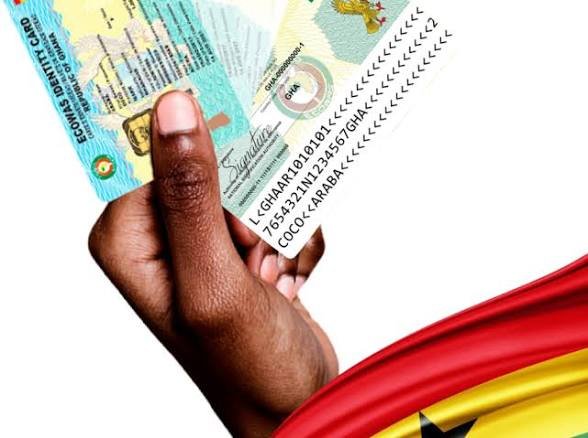
Issued by the National Identification Authority (NIA), the Ghana Card is the country's official national identification card, containing biometric data (fingerprints and facial capture) alongside personal details. Unlike older forms of Ghanaian identification that existed in parallel — voter ID, driver's license, passport — the Ghana Card was designed as a single unifying identity document meant to eventually connect to most government and financial systems.
Why It's Become So Central
A major reason the Ghana Card matters more each year is that it now doubles as your Tax Identification Number (TIN) reference, replacing the older separate TIN registration process for individuals. This single change alone made the card relevant to anyone opening a bank account, registering a business, or filing taxes, not just those needing a traditional ID for identification purposes.
Mobile Money Registration
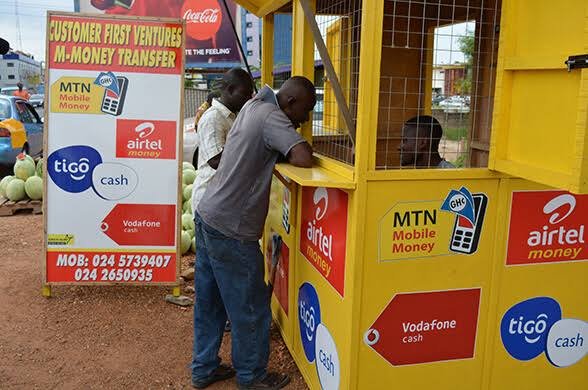
All three mobile money networks — MTN MoMo, Telecel Cash, and AT Money — require Ghana Card verification for wallet registration, part of a broader push toward "know your customer" compliance in Ghana's financial sector. This means anyone without a registered Ghana Card faces real practical friction opening or upgrading a mobile money wallet, which for many Ghanaians is their primary financial account.
Banking and Financial Services
Banks increasingly require the Ghana Card as the primary identification document for opening accounts, applying for loans, and completing "know your customer" verification, gradually phasing out reliance on other ID types for these processes. If your existing bank account was opened before the Ghana Card became standard, you may be asked to update your records with your Ghana Card details during a future visit or app update.
SIM Registration
Mobile network SIM registration is tied to the Ghana Card, part of an effort to reduce SIM fraud and improve accountability for mobile-linked crimes, including the mobile money scams and SIM swap fraud that have become more common alongside the growth of digital payments.
Business Registration and Government Services
As covered in registering a business, the Ghana Card is now a standard requirement for company and business name registration through the Office of the Registrar of Companies. It's similarly required or increasingly requested across a range of government services, from passport applications to interactions with agencies like the Ghana Revenue Authority.
Protecting Your Ghana Card Information
Because the Ghana Card now unlocks so much — banking, mobile money, business registration, tax records — protecting its details matters more than protecting an ordinary ID card historically did:
- Never share a photo or scan of your Ghana Card with unknown parties, including callers claiming to be from a bank, network, or government agency verifying your details
- Be cautious about which apps or websites you upload a scanned copy to, and avoid sending scans over unsecured channels when a more secure verification option is offered
- If your Ghana Card is lost or stolen, report it and pursue a replacement promptly, since it functions as a master key to several of your financial accounts
What If You Don't Have One Yet
If you haven't registered for a Ghana Card, doing so has become less optional as more services require it for access. The National Identification Authority periodically runs registration exercises, and checking their official channels for the current registration process in your area is the most reliable way to get accurate, up-to-date requirements, since registration logistics have changed over time.
Final Thought
The Ghana Card has moved well beyond its original role as a physical identity document into becoming the connective layer underneath mobile money, banking, business registration, and tax administration in Ghana. Understanding this shift — and treating the card's information with the same caution as a bank card or password — is increasingly essential for participating fully in the country's digital economy.